Knee Pain: When Should You See an Orthopaedic Surgeon?
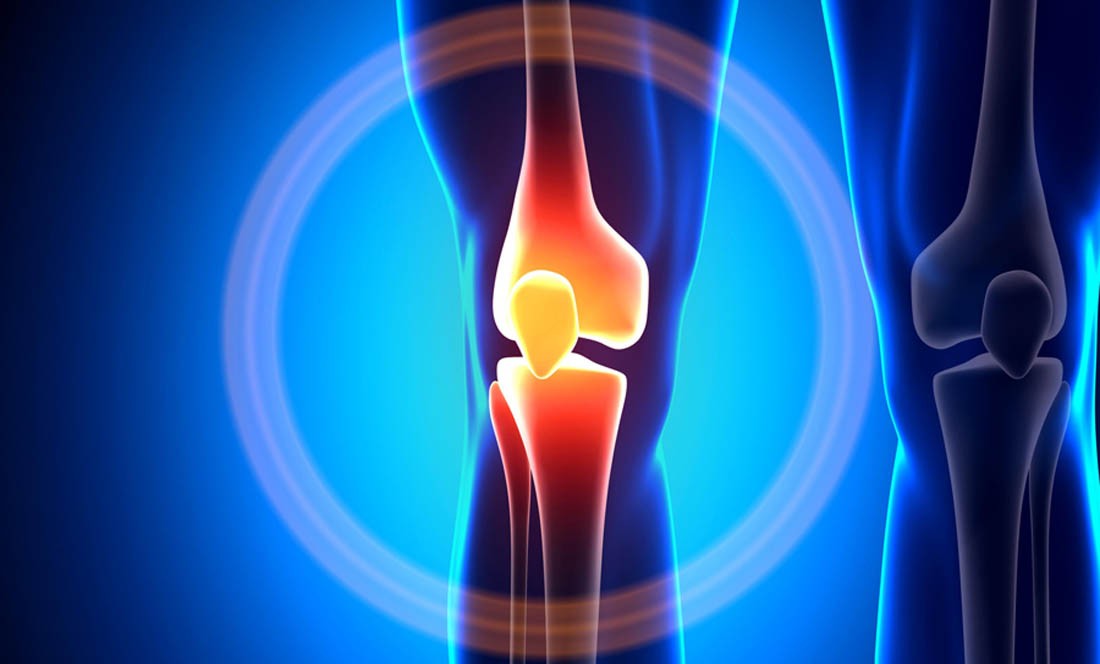
Knee pain is one of the most common musculoskeletal complaints affecting people of all ages. Whether it's caused by injury, aging, or an underlying medical condition, knee pain can interfere with daily life, mobility, and overall quality of life. While minor discomfort can often be managed at home, there are times when professional medical care becomes essential. Understanding when to see an orthopaedic surgeon can help you prevent long-term damage and recover faster.
What Causes Knee Pain?
Knee pain can result from a wide range of conditions, including:
- Ligament injuries (such as ACL or MCL tears)
- Meniscus tears
- Osteoarthritis
- Tendinitis
- Bursitis
- Fractures or dislocations
- Overuse or repetitive strain
These conditions can vary in severity, from mild inflammation to serious structural damage.
Common Symptoms of Knee Problems
Recognizing the symptoms early can help you seek timely treatment. Some common signs include:
- Persistent pain or discomfort
- Swelling and stiffness
- Redness or warmth around the knee
- Difficulty in bending or straightening the knee
- Instability or weakness
- Clicking, popping, or grinding sounds
- Inability to bear weight
When Should You See an Orthopaedic Surgeon?
Not every knee pain requires surgery, but certain warning signs indicate the need for expert evaluation:
- Pain That Doesn't Improve with Rest
If your knee pain persists for more than a few weeks despite rest, ice, and over-the-counter medications, it's time to consult a specialist. - Severe Swelling or Inflammation
Sudden or significant swelling may indicate internal damage such as a ligament tear or infection. - Limited Range of Motion
Difficulty in moving your knee fully—whether bending or straightening—can be a sign of structural issues. - Instability or "Giving Way"
If your knee feels unstable or gives out while walking, it may indicate ligament damage. - Visible Deformity
Any noticeable change in the shape of your knee or leg should be evaluated immediately. - Injury from Trauma
Accidents, falls, or sports injuries that cause immediate pain or swelling require prompt medical attention. - Chronic Conditions Getting Worse
If you have conditions like arthritis and your symptoms are worsening, an orthopaedic consultation is necessary.
Diagnosis and Evaluation
An orthopaedic surgeon will perform a thorough assessment, which may include:
- Physical examination
- Medical history review
- Imaging tests like X-rays, MRI, or CT scans
- Laboratory tests (if infection or inflammation is suspected)
These tests help identify the exact cause of your knee pain and guide treatment.
Treatment Options for Knee Pain
Treatment depends on the severity and underlying cause of the condition. Options may include:
Non-Surgical Treatments
- Medications for pain and inflammation
- Physical therapy and exercises
- Lifestyle modifications (weight management, activity changes)
- Knee braces or supports
- Injections (such as corticosteroids or PRP)
Surgical Treatments
If conservative treatments fail, surgery may be recommended:
- Arthroscopy (minimally invasive procedure)
- Ligament reconstruction
- Meniscus repair
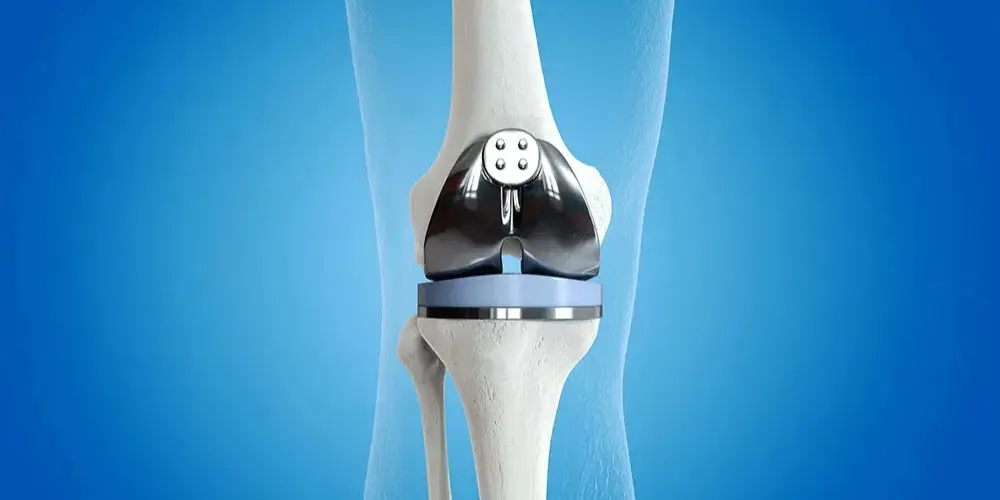
- Partial or total knee replacement
Benefits of Early Consultation
Seeing an orthopaedic surgeon at the right time offers several advantages:
- Accurate diagnosis
- Prevents worsening of the condition
- Faster recovery
- Personalized treatment plan
- Reduced risk of long-term complications
Tips to Prevent Knee Pain
- Maintain a healthy weight
- Stay active with low-impact exercises
- Strengthen leg muscles
- Avoid overuse and repetitive stress
- Use proper techniques during sports and workouts