ACL / PCL Reconstruction
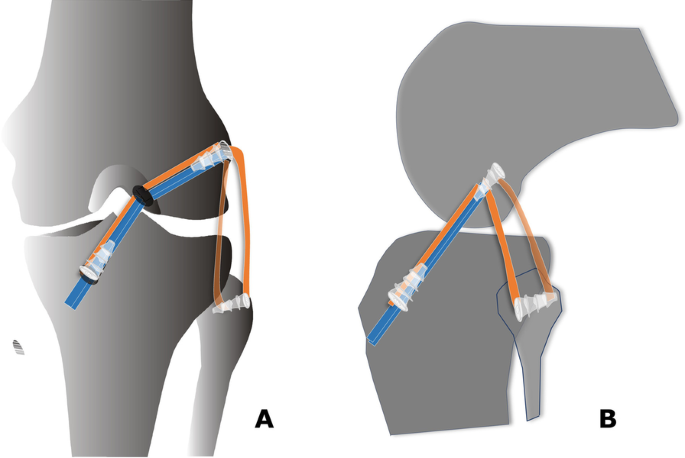
ACL (Anterior Cruciate Ligament) and PCL (Posterior Cruciate Ligament) Reconstruction are specialized orthopedic procedures designed to restore knee stability, function, and strength following ligament injuries. These minimally invasive surgeries use advanced arthroscopic techniques to replace torn ligaments with graft tissue, helping patients return to sports, work, and everyday activities with confidence.
Whether caused by sports injuries, accidents, or trauma, ACL and PCL tears can significantly impact knee function. Reconstruction surgery provides a reliable solution for restoring stability and preventing long-term joint damage.
What is ACL Reconstruction?
ACL Reconstruction is a surgical procedure used to replace a torn Anterior Cruciate Ligament (ACL), one of the key ligaments responsible for maintaining knee stability.
The ACL connects the thigh bone (femur) to the shin bone (tibia) and helps control forward movement and rotational stability of the knee. When the ACL is torn, patients often experience instability, weakness, and difficulty participating in physical activities. During reconstruction, the damaged ligament is replaced with a graft that functions as a new ACL.
What is PCL Reconstruction?
PCL Reconstruction is a surgical procedure performed to replace a torn Posterior Cruciate Ligament (PCL), which helps prevent the shin bone from moving backward relative to the thigh bone.
PCL injuries commonly occur due to high-impact trauma such as road traffic accidents, sports injuries, or falls. Severe PCL tears can lead to knee instability, pain, and long-term joint degeneration if left untreated.
Who Needs ACL or PCL Reconstruction?
ACL or PCL reconstruction may be recommended for patients experiencing:
- Complete ligament tears
- Knee instability or giving way
- Recurrent knee injuries
- Difficulty walking, running, or changing direction
- Sports-related knee injuries
- Combined ligament injuries
- Persistent pain and swelling
- Failure of conservative treatment methods
Common Causes of ACL & PCL Injuries
- Sports Injuries
Sudden twisting, pivoting, jumping, or landing movements commonly cause ligament tears. - Road Traffic Accidents
Direct impact to the knee can result in significant PCL or combined ligament injuries. - Falls and Trauma
High-energy injuries may damage the ACL, PCL, or multiple knee ligaments. - Contact Sports
Football, basketball, cricket, soccer, rugby, and other high-impact sports increase the risk of ligament injuries.
Symptoms of ACL or PCL Tears
Patients may experience:
- A popping sensation during injury
- Knee instability
- Swelling around the knee
- Pain during movement
- Reduced range of motion
- Difficulty walking or running
- Feeling that the knee may buckle or give way
- Weakness during physical activity
Benefits of ACL / PCL Reconstruction
- Restores Knee Stability
Helps prevent episodes of knee buckling and instability. - Improves Athletic Performance
Allows athletes to safely return to sports and physical activities. - Protects Joint Health
Reduces the risk of cartilage damage and early arthritis. - Minimally Invasive Technique
Most procedures are performed arthroscopically through small incisions. - Faster Rehabilitation
Modern surgical techniques support structured recovery and improved outcomes. - Long-Term Functional Improvement
Helps restore normal knee mechanics and mobility.
The ACL / PCL Reconstruction Procedure
Preoperative Evaluation
A comprehensive assessment may include:
- Medical history review
- Physical examination
- X-rays
- MRI scan
- Blood investigations
- Anesthesia evaluation
Surgical Procedure
- The patient receives anesthesia.
- Arthroscopic instruments are inserted through small incisions.
- The damaged ligament is removed.
- Bone tunnels are created to position the new graft.
- A tendon graft is inserted and secured.
- Knee stability is tested.
- The incisions are closed and recovery begins.
The procedure typically takes 1 to 3 hours depending on the complexity of the injury.
Types of Grafts Used
- Autograft
Uses the patient's own tissue, commonly from:- Hamstring tendon
- Patellar tendon
- Quadriceps tendon
- Allograft
Uses donor tissue when appropriate for selected patients.
Your orthopedic surgeon will recommend the most suitable graft based on your age, activity level, and injury pattern.
Recovery After ACL / PCL Reconstruction
Immediate Recovery
- Most patients return home the same day or after a short hospital stay.
- Knee braces may be used for protection.
- Pain management protocols support comfort.
Rehabilitation Phase
- Physiotherapy begins soon after surgery.
- Gradual strengthening and mobility exercises are introduced.
- Walking aids may be used initially.
Return to Activities
- Daily activities: 4–8 weeks
- Light sports activities: 4–6 months
- Competitive sports: 6–12 months, depending on recovery progress
Recovery timelines vary depending on the severity of the injury and adherence to rehabilitation.
Risks and Complications
Although ACL and PCL reconstruction are generally safe procedures, potential risks include:
- Infection
- Blood clots
- Knee stiffness
- Persistent pain
- Graft failure
- Re-injury
- Nerve or blood vessel injury
- Swelling
- Delayed recovery
Experienced orthopedic surgeons take extensive precautions to minimize these risks.
Why Choose ACL / PCL Reconstruction?
Reconstruction surgery is often the preferred treatment for active individuals because it offers:
- Improved knee stability
- Better functional outcomes
- Safe return to sports
- Reduced risk of future knee damage
- Enhanced mobility and confidence
- Long-term joint protection