Pelvic Infections & STDs – Diagnosis, Treatment & Prevention
Pelvic Infections and Sexually Transmitted Diseases (STDs) are common health concerns that can affect women's reproductive health if not treated on time. With the guidance of experienced Gynaecology Specialists, early diagnosis and proper treatment can prevent complications and ensure long-term well-being.
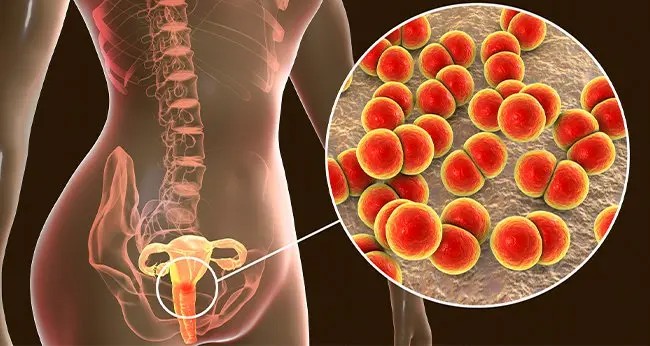
Pelvic infections refer to infections of the female reproductive organs, including the uterus, fallopian tubes, and ovaries. Many of these infections are caused by sexually transmitted bacteria or viruses.
STDs (Sexually Transmitted Diseases) are infections spread through sexual contact, affecting both men and women.
Common Types of Pelvic Infections & STDs
- Pelvic Inflammatory Disease (PID)
- Chlamydia
- Gonorrhea
- Human Papillomavirus (HPV)
- Herpes Simplex Virus (HSV)
- Trichomoniasis
Symptoms of Pelvic Infections & STDs
- Lower abdominal or pelvic pain
- Unusual vaginal discharge (with odor)
- Pain during intercourse
- Burning sensation during urination
- Irregular bleeding
- Fever (in severe cases)
Causes & Risk Factors
- Unprotected sexual activity
- Multiple sexual partners
- Poor genital hygiene
- Previous history of STDs
- Weakened immune system
How are These Conditions Diagnosed?
- Physical and pelvic examination
- Vaginal swab tests
- Blood tests
- Urine tests
- Ultrasound (if needed)
Treatment Options
1. Medications
- Antibiotics for bacterial infections
- Antiviral drugs for viral infections
2. Partner Treatment
- Both partners may need treatment to prevent reinfection
3. Follow-Up Care
- Regular check-ups to ensure complete recovery
Complications if Left Untreated
- Infertility
- Chronic pelvic pain
- Ectopic pregnancy
- Pregnancy complications
- Spread of infection to other organs
Prevention Tips
- Practice safe sex (use protection)
- Regular health check-ups
- Maintain proper hygiene
- Limit multiple sexual partners
- Get vaccinated (e.g., HPV vaccine)