Hysterectomy – Safe & Advanced Uterus Removal Surgery
A Hysterectomy is a surgical procedure to remove the uterus (womb). It is recommended by experienced Gynaecology Specialists when other treatments are ineffective or when certain medical conditions require surgical management.
A hysterectomy involves the removal of the uterus, which means a woman will no longer have menstrual periods and cannot become pregnant. Depending on the condition, other reproductive organs such as the ovaries and fallopian tubes may also be removed.
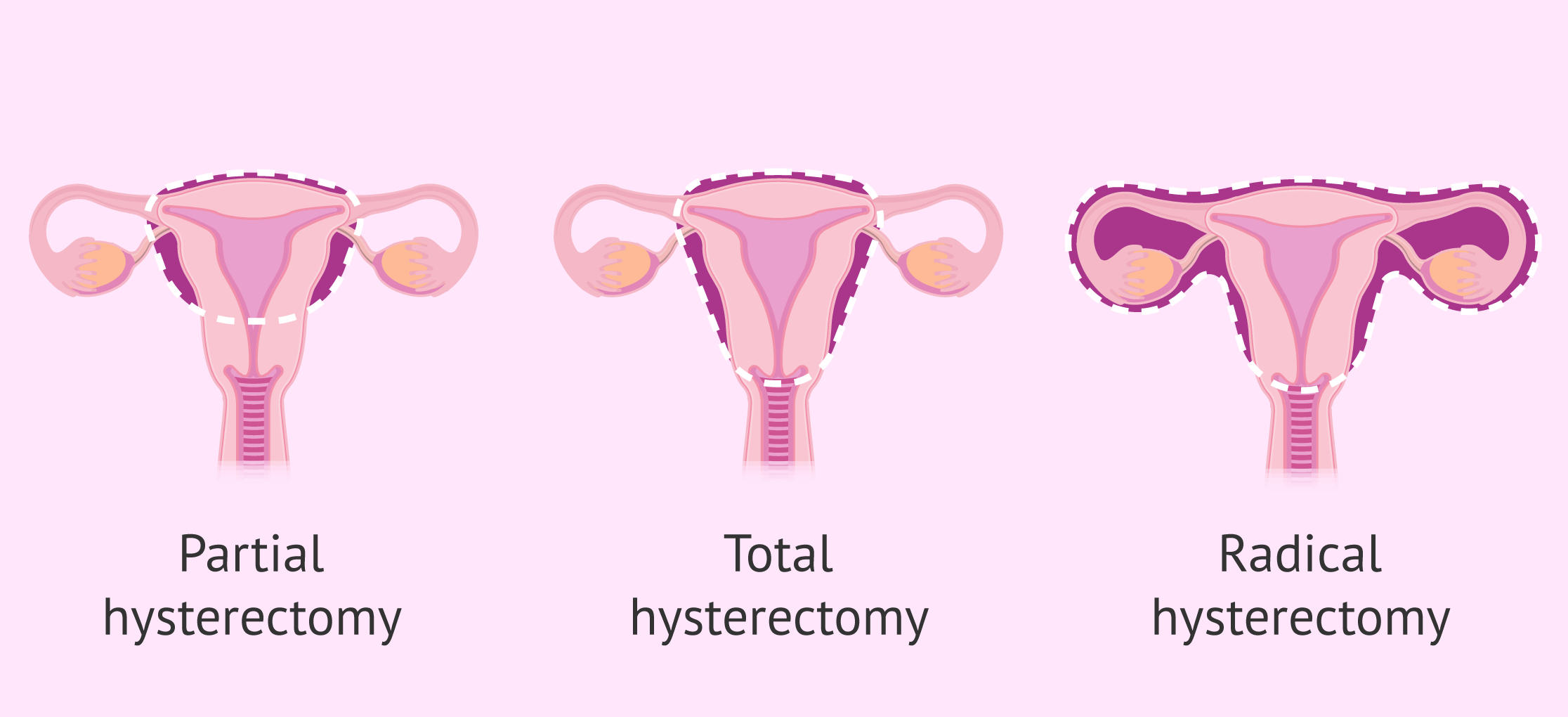
Types of Hysterectomy
- Total Hysterectomy – Removal of the uterus and cervix
- Partial (Subtotal) Hysterectomy – Removal of the uterus while preserving the cervix
- Radical Hysterectomy – Removal of the uterus, cervix, surrounding tissues, and part of the vagina (usually for cancer treatment)
Surgical Approaches
- Abdominal Hysterectomy – Through an incision in the abdomen
- Vaginal Hysterectomy – Through the vagina (no external scar)
- Laparoscopic Hysterectomy – Minimally invasive, using small incisions and a camera
When is a Hysterectomy Needed?
A gynaecologist may recommend hysterectomy for:
- Uterine fibroids causing heavy bleeding or pain
- Endometriosis
- Uterine prolapse
- Chronic pelvic pain
- Abnormal uterine bleeding
- Gynecological cancers (uterus, cervix, ovaries)
Benefits of Hysterectomy
- Permanent relief from symptoms
- Improved quality of life
- No more menstrual bleeding
- Effective treatment for serious conditions
Risks and Considerations
Like any surgery, hysterectomy may involve:
- Infection or bleeding
- Temporary pain or discomfort
- Hormonal changes (if ovaries are removed)
- Recovery time depending on the procedure
Your specialist will carefully evaluate the safest option for you.
Recovery After Hysterectomy
- Hospital stay: 1–3 days (may vary)
- Full recovery: 4–8 weeks
- Avoid heavy lifting and strenuous activity
- Follow post-operative care instructions