Total Shoulder Replacement
Total Shoulder Replacement is a highly effective orthopedic procedure designed to relieve chronic shoulder pain, restore mobility, and improve overall quality of life. The surgery involves replacing the damaged parts of the shoulder joint with artificial components, allowing patients to regain movement and return to daily activities with greater comfort and confidence.
For individuals suffering from severe shoulder arthritis, joint degeneration, or persistent pain that no longer responds to non-surgical treatments, total shoulder replacement offers a reliable and long-lasting solution.
What is Total Shoulder Replacement?
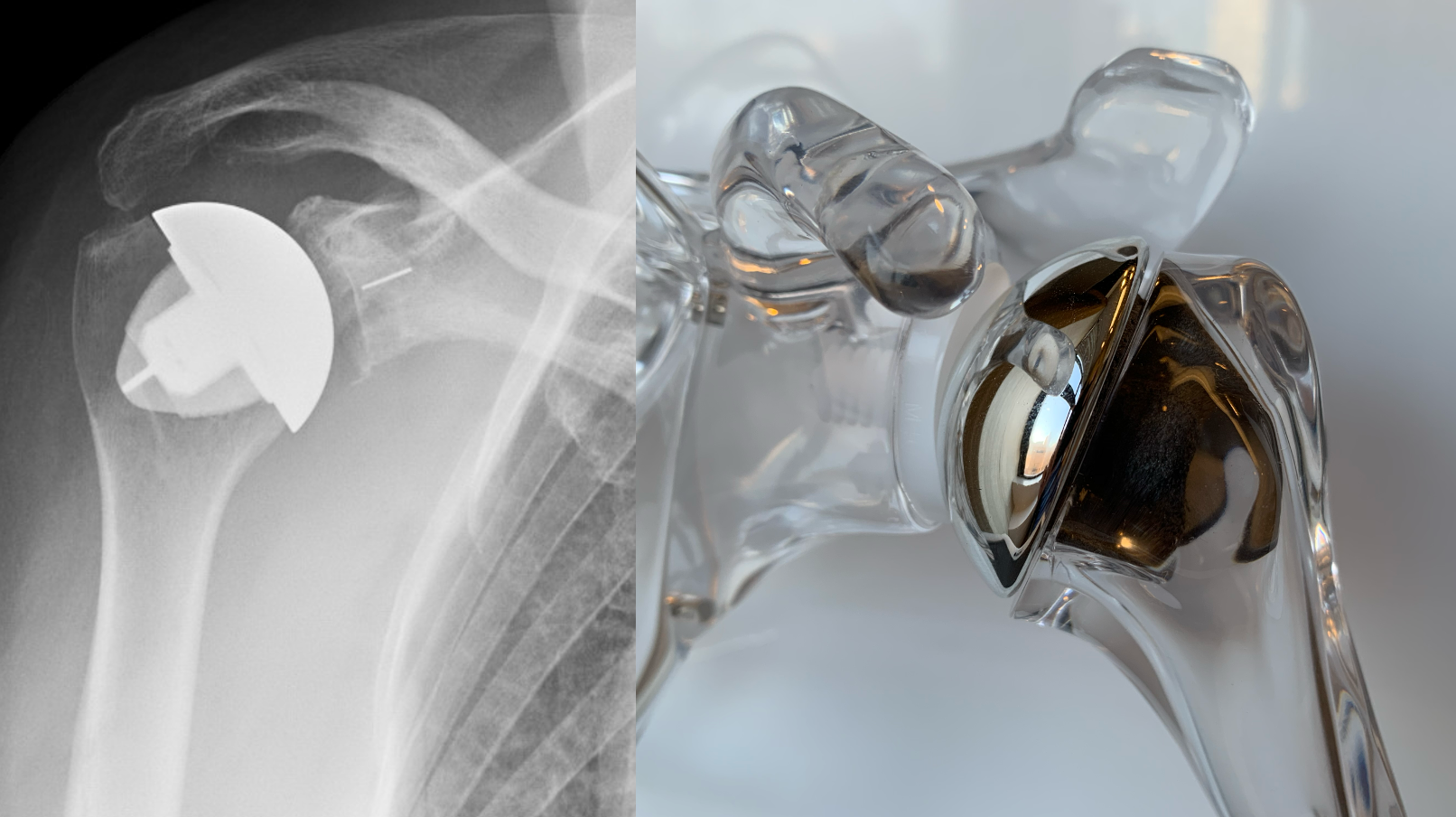
Total Shoulder Replacement, also known as Total Shoulder Arthroplasty (TSA), is a surgical procedure in which both the ball and socket portions of the shoulder joint are replaced with prosthetic implants.
In a healthy shoulder, the humeral head (ball) moves smoothly within the glenoid (socket). When these surfaces become damaged due to arthritis or injury, movement becomes painful and restricted. Total shoulder replacement restores smooth joint motion by replacing these damaged surfaces with artificial components.
Who Needs Total Shoulder Replacement?
Total shoulder replacement may be recommended for patients experiencing:
- Severe shoulder pain that affects daily activities
- Advanced shoulder osteoarthritis
- Rheumatoid arthritis
- Chronic shoulder stiffness
- Loss of shoulder mobility
- Pain during rest or sleep
- Shoulder joint damage from previous injuries
- Failure of medications, injections, or physiotherapy
Conditions Treated with Total Shoulder Replacement
- Osteoarthritis
The most common reason for shoulder replacement, caused by wear and tear of the joint cartilage over time. - Rheumatoid Arthritis
An autoimmune condition that causes inflammation and destruction of the shoulder joint. - Post-Traumatic Arthritis
Arthritis that develops following fractures, dislocations, or previous shoulder injuries. - Avascular Necrosis
A condition in which the blood supply to the shoulder bone is reduced, leading to bone collapse and joint damage. - Severe Shoulder Degeneration
Advanced joint deterioration resulting in pain, stiffness, and limited movement.
Benefits of Total Shoulder Replacement
- Significant Pain Relief
Most patients experience substantial reduction or complete relief from chronic shoulder pain. - Improved Mobility
Restores the ability to move the shoulder more freely and comfortably. - Better Quality of Life
Patients can return to everyday activities with greater independence and confidence. - Enhanced Shoulder Function
Improves strength, flexibility, and overall shoulder performance. - Long-Lasting Results
Modern implants are designed to provide durable and reliable function for many years. - High Success Rate
Total shoulder replacement is considered one of the most successful procedures for advanced shoulder arthritis.
The Total Shoulder Replacement Procedure
Preoperative Assessment
A comprehensive evaluation is performed before surgery, including:
- Medical history review
- Physical examination
- X-rays
- CT scan or MRI if required
- Blood investigations
- Anesthesia assessment
Surgical Procedure
- The patient is given anesthesia.
- An incision is made over the shoulder.
- Damaged cartilage and bone are removed.
- The humeral head is replaced with a metal prosthetic component.
- The glenoid socket is resurfaced and fitted with an artificial component.
- Joint stability and range of motion are assessed.
- The incision is closed, and recovery begins.
The procedure generally takes between 1.5 and 3 hours.
Recovery After Total Shoulder Replacement
Immediate Recovery
- The arm is supported in a sling.
- Pain management helps ensure a comfortable recovery.
- Gentle shoulder movements may begin shortly after surgery.
Rehabilitation Phase
- Physiotherapy is an essential part of recovery.
- Exercises help restore flexibility, strength, and function.
- Activities are gradually increased according to the recovery plan.
Long-Term Recovery
Most patients experience significant improvement within a few months. Full recovery and maximum functional benefits may take 4 to 6 months or longer.
Risks and Complications
Like all surgical procedures, total shoulder replacement carries certain risks, including:
- Infection
- Blood clots
- Nerve injury
- Implant loosening
- Shoulder instability
- Fracture around the implant
- Joint stiffness
- Persistent pain
- Rare need for revision surgery
An experienced orthopedic surgeon takes extensive measures to minimize these risks and ensure the best possible outcomes.
Why Choose Total Shoulder Replacement?
Total shoulder replacement remains a trusted treatment option because it offers:
- Proven long-term pain relief
- Excellent restoration of shoulder function
- Improved range of motion
- Enhanced quality of life
- Durable implant technology
- High patient satisfaction rates
For patients with advanced shoulder arthritis and an intact rotator cuff, total shoulder replacement often provides outstanding functional results.