Frozen Shoulder Release
Frozen Shoulder Release is a specialized orthopedic procedure designed to treat severe frozen shoulder (adhesive capsulitis) when non-surgical treatments have failed to provide relief. The procedure helps release tight and thickened shoulder tissues, reduce pain, and restore shoulder movement, allowing patients to return to daily activities with greater comfort and confidence.
Frozen shoulder can significantly affect quality of life by causing persistent pain, stiffness, and limited range of motion. Surgical release offers an effective solution for patients who continue to experience symptoms despite medications, physiotherapy, and other conservative treatments.
What is Frozen Shoulder?
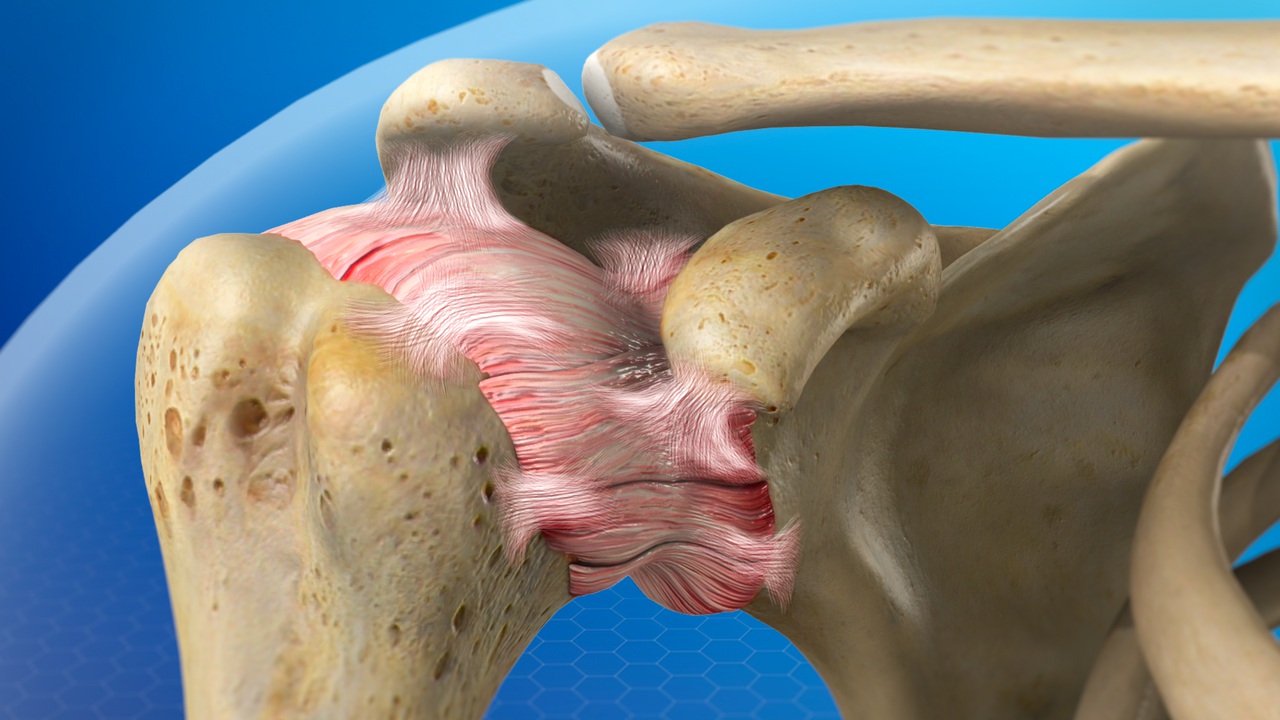
Frozen shoulder, also known as Adhesive Capsulitis, is a condition characterized by pain, stiffness, and progressive loss of shoulder movement. It occurs when the shoulder capsule becomes inflamed, thickened, and tight, restricting the normal movement of the joint.
The condition typically develops gradually and can significantly limit everyday activities such as dressing, reaching overhead, driving, or sleeping comfortably.
What is Frozen Shoulder Release Surgery?
Frozen Shoulder Release is a minimally invasive arthroscopic procedure that involves cutting and releasing the tight portions of the shoulder capsule to improve joint mobility.
The procedure allows the surgeon to directly visualize the shoulder joint and carefully release scar tissue and adhesions responsible for stiffness. It is often combined with manipulation under anesthesia to maximize range of motion.
Who Needs Frozen Shoulder Release?
Frozen shoulder release may be recommended for patients who experience:
- Severe shoulder stiffness
- Persistent shoulder pain
- Significant loss of shoulder movement
- Difficulty performing daily activities
- Frozen shoulder lasting several months
- Limited improvement with physiotherapy
- Failure of medications or injections
- Functional limitations affecting work or lifestyle
Common Causes of Frozen Shoulder
- Diabetes
Individuals with diabetes have a higher risk of developing frozen shoulder. - Shoulder Injury
Trauma or prolonged immobilization following injury may trigger the condition. - Shoulder Surgery
Recovery after shoulder surgery can sometimes lead to stiffness and adhesive capsulitis. - Prolonged Immobilization
Limited shoulder movement for extended periods may contribute to capsule tightening. - Hormonal and Metabolic Disorders
Certain medical conditions can increase the risk of frozen shoulder.
Symptoms of Frozen Shoulder
Common symptoms include:
- Persistent shoulder pain
- Progressive shoulder stiffness
- Difficulty lifting the arm
- Limited overhead movement
- Pain during sleep
- Restricted range of motion
- Difficulty dressing, grooming, or reaching behind the back
- Reduced shoulder function
Stages of Frozen Shoulder
- Freezing Stage
Increasing shoulder pain, gradual loss of movement, symptoms worsen over time - Frozen Stage
Pain may decrease slightly, significant stiffness develops, daily activities become difficult - Thawing Stage
Shoulder mobility gradually improves, function slowly returns over time
Some patients recover naturally, while others continue to experience severe stiffness requiring surgical intervention.
Benefits of Frozen Shoulder Release
- Significant Pain Relief
Reduces chronic shoulder discomfort and inflammation. - Improved Range of Motion
Restores shoulder flexibility and movement. - Faster Functional Recovery
Helps patients return to normal daily activities sooner. - Minimally Invasive Procedure
Performed through small incisions using arthroscopic techniques. - Enhanced Quality of Life
Improves independence and overall shoulder function. - Effective for Resistant Cases
Provides relief when conservative treatments have failed.
The Frozen Shoulder Release Procedure
Preoperative Assessment
Before surgery, a comprehensive evaluation may include:
- Medical history review
- Physical examination
- X-rays
- MRI or ultrasound if required
- Blood investigations
- Anesthesia assessment
Surgical Procedure
- The patient receives anesthesia.
- Small arthroscopic incisions are made around the shoulder.
- An arthroscope is inserted into the joint.
- Tightened portions of the shoulder capsule are identified.
- Scar tissue and adhesions are carefully released.
- Shoulder movement is assessed and improved.
- The incisions are closed, and recovery begins.
The procedure generally takes between 30 minutes and 1.5 hours.
Recovery After Frozen Shoulder Release
Immediate Recovery
- Most patients return home the same day.
- Pain management medications are provided.
- Early shoulder movement is encouraged.
Rehabilitation Phase
- Physiotherapy begins shortly after surgery.
- Stretching and mobility exercises are essential.
- Gradual strengthening exercises are introduced.
Long-Term Recovery
Most patients experience noticeable improvements in pain and mobility within a few weeks. Full recovery may take several months depending on the severity of stiffness and commitment to rehabilitation.
Risks and Complications
Although frozen shoulder release is generally safe, potential risks include:
- Infection
- Bleeding
- Nerve injury
- Persistent stiffness
- Shoulder pain
- Recurrent frozen shoulder
- Swelling
- Blood clots
- Rare need for additional procedures
Experienced orthopedic surgeons take extensive precautions to minimize these risks and optimize outcomes.
Why Choose Frozen Shoulder Release?
Frozen shoulder release offers several important advantages:
- Effective treatment for severe stiffness
- Rapid improvement in shoulder mobility
- Significant pain relief
- Minimally invasive approach
- Faster return to daily activities
- Improved quality of life
- Excellent long-term outcomes when combined with rehabilitation