PCOS/PCOD Treatment – Hormonal Balance & Women's Health Care
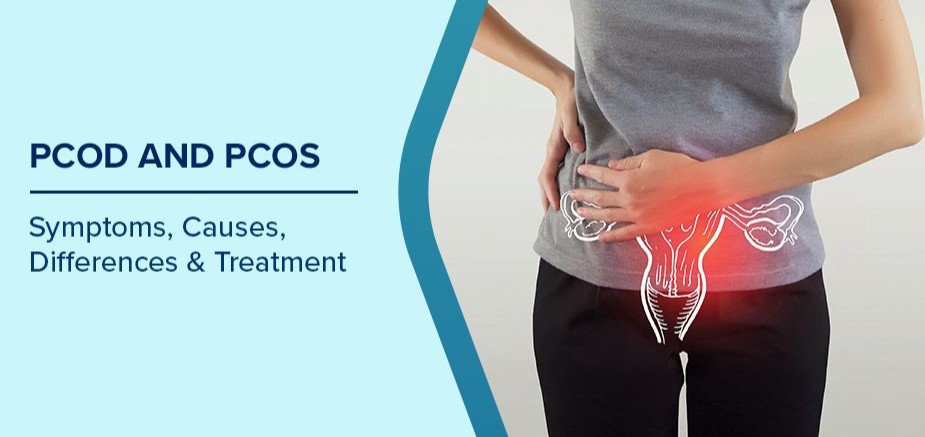
PCOS (Polycystic Ovary Syndrome) and PCOD (Polycystic Ovarian Disease) are common hormonal disorders affecting women of reproductive age. With the guidance of experienced Gynaecology Specialists, these conditions can be effectively managed to improve overall health, regulate menstrual cycles, and enhance fertility.
PCOS/PCOD is a condition in which the ovaries produce excessive androgens (male hormones), leading to hormonal imbalance. This can result in irregular periods, cyst formation in ovaries, and difficulty in ovulation.
Common Symptoms of PCOS/PCOD
- Irregular or missed periods
- Excess facial or body hair (hirsutism)
- Acne or oily skin
- Weight gain or difficulty losing weight
- Hair thinning or hair loss
- Difficulty conceiving
Causes of PCOS/PCOD
The exact cause is unknown, but contributing factors include:
- Hormonal imbalance
- Insulin resistance
- Genetic factors
- Lifestyle and dietary habits
How is PCOS/PCOD Diagnosed?
- Medical history and symptom evaluation
- Pelvic ultrasound
- Blood tests (hormonal levels, insulin, thyroid)
Treatment Options for PCOS/PCOD
- Lifestyle Management
- Healthy diet and weight control
- Regular exercise
- Stress management
- Medications
- Hormonal therapy (oral contraceptives)
- Insulin-sensitizing drugs
- Medications for ovulation induction
- Fertility Treatment
- Ovulation stimulation
- Assisted reproductive techniques (if needed)
- Laparoscopic Ovarian Drilling
- Minimally invasive surgery for selected cases
- Helps restore ovulation
Benefits of Timely Treatment
- Regular menstrual cycles
- Improved fertility
- Better hormonal balance
- Reduced risk of long-term complications
- Improved skin and hair health
Long-Term Health Risks (If Untreated)
- Infertility
- Type 2 diabetes
- High blood pressure
- Heart disease
- Endometrial complications