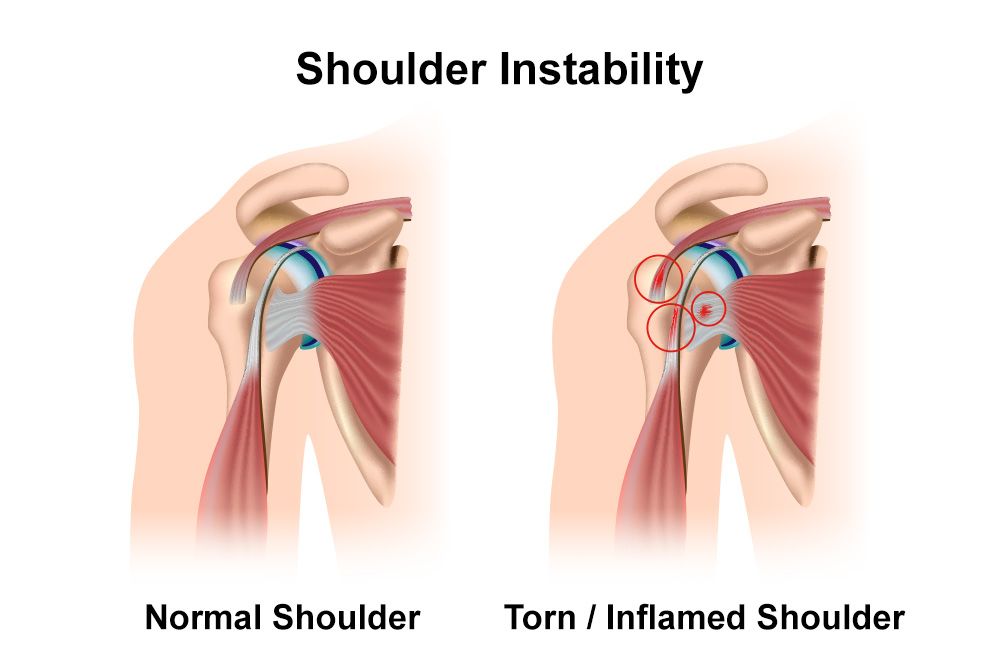
Shoulder Instability Surgery
Shoulder Instability Surgery is a specialized orthopedic procedure designed to restore stability to the shoulder joint and prevent recurrent dislocations or subluxations. The shoulder is the most mobile joint in the body, making it particularly susceptible to instability following injury, trauma, or ligament damage.
For patients experiencing repeated shoulder dislocations, pain, weakness, or a feeling that the shoulder may "slip out," shoulder instability surgery can help restore normal function, improve confidence in movement, and prevent further joint damage.
What is Shoulder Instability?
Shoulder instability occurs when the structures that keep the shoulder joint stable—such as ligaments, labrum, and surrounding muscles—become damaged or weakened. As a result, the ball of the upper arm bone (humerus) may partially or completely come out of the shoulder socket.
This condition can range from occasional episodes of instability to frequent shoulder dislocations that interfere with daily activities and sports participation.
What is Shoulder Instability Surgery?
Shoulder Instability Surgery is performed to repair damaged tissues and restore the normal stability of the shoulder joint. Depending on the severity of the condition, surgery may involve repairing torn ligaments, reattaching the labrum, tightening the joint capsule, or reconstructing bone defects.
Most procedures are performed using minimally invasive arthroscopic techniques, allowing for smaller incisions, less pain, and faster recovery.
Who Needs Shoulder Instability Surgery?
Surgery may be recommended for patients who experience:
- Recurrent shoulder dislocations
- Shoulder subluxations (partial dislocations)
- Persistent shoulder instability
- Shoulder pain during activity
- Weakness and loss of confidence in shoulder movement
- Sports-related shoulder injuries
- Failure of physiotherapy or conservative treatment
- Labral tears associated with instability
Common Causes of Shoulder Instability
- Traumatic Shoulder Dislocation
A sudden injury can stretch or tear the stabilizing structures of the shoulder. - Sports Injuries
Participation in contact sports or activities involving overhead motions can lead to shoulder instability. - Repetitive Overhead Movements
Athletes and individuals performing repetitive arm movements may develop instability over time. - Ligament Laxity
Some individuals naturally have looser ligaments, making them more prone to shoulder instability. - Previous Shoulder Injuries
Untreated shoulder injuries can lead to recurrent dislocations and chronic instability.
Symptoms of Shoulder Instability
Patients may experience:
- Recurrent shoulder dislocations
- Shoulder pain
- A feeling that the shoulder is slipping out of place
- Weakness during arm movements
- Clicking or catching sensations
- Reduced athletic performance
- Limited shoulder function
- Fear of certain arm positions
Conditions Treated with Shoulder Instability Surgery
- Bankart Lesions
Tears of the labrum that occur after shoulder dislocation and contribute to recurrent instability. - SLAP Tears
Injuries to the superior portion of the labrum affecting shoulder stability and function. - Capsular Laxity
Stretching of the shoulder capsule leading to excessive joint movement. - Recurrent Shoulder Dislocations
Repeated episodes of shoulder displacement requiring surgical stabilization. - Bone Loss and Glenoid Defects
Advanced instability may involve damage to the shoulder socket requiring reconstructive procedures.
Types of Shoulder Instability Surgery
- Arthroscopic Bankart Repair
A minimally invasive procedure used to repair torn labral tissue and restore shoulder stability. - Capsular Shift or Capsular Plication
Tightens the stretched joint capsule to improve stability. - Latarjet Procedure
A specialized procedure used in patients with significant bone loss or recurrent instability. - Labral Repair
Reattaches torn cartilage and soft tissue structures to the shoulder socket. - Bone Reconstruction Procedures
Performed when substantial bone defects contribute to instability.
Benefits of Shoulder Instability Surgery
- Prevents Recurrent Dislocations
Restores stability and reduces the risk of future shoulder dislocations. - Relieves Pain
Addresses damaged tissues that cause chronic shoulder discomfort. - Restores Shoulder Function
Improves strength, mobility, and confidence during daily activities. - Supports Return to Sports
Many athletes successfully return to competitive sports following recovery. - Protects Joint Health
Reduces the risk of long-term cartilage damage and arthritis. - Minimally Invasive Options
Most procedures can be performed arthroscopically with smaller incisions.
The Shoulder Instability Surgery Procedure
Preoperative Assessment
A comprehensive evaluation may include:
- Medical history review
- Physical examination
- X-rays
- MRI scan
- CT scan if bone loss is suspected
- Blood investigations
- Anesthesia evaluation
Surgical Procedure
- The patient receives anesthesia.
- Small incisions are made around the shoulder.
- An arthroscope is inserted into the joint.
- Damaged structures are identified.
- Labral tears, ligaments, or capsule defects are repaired.
- Joint stability is assessed.
- The incisions are closed and recovery begins.
The procedure typically takes between 1 and 3 hours, depending on the complexity of the condition.
Recovery After Shoulder Instability Surgery
Immediate Recovery
- Most patients return home the same day.
- A shoulder sling is worn to protect the repair.
- Pain management protocols help ensure comfort.
Rehabilitation Phase
- Physiotherapy begins according to the surgeon's recommendations.
- Range-of-motion exercises are gradually introduced.
- Strengthening exercises follow as healing progresses.
Return to Activities
- Daily activities: 6–12 weeks
- Light exercise: 3–4 months
- Contact sports: 4–6 months or longer
Recovery timelines vary depending on the severity of the injury and the procedure performed.
Risks and Complications
Although shoulder instability surgery is generally safe, potential risks include:
- Infection
- Bleeding
- Shoulder stiffness
- Recurrent instability
- Nerve injury
- Persistent pain
- Failure of repair
- Blood clots
- Need for revision surgery
Experienced orthopedic surgeons take extensive precautions to minimize these risks and achieve optimal outcomes.
Why Choose Shoulder Instability Surgery?
Shoulder stabilization surgery offers several important benefits:
- Long-term shoulder stability
- Reduced risk of future dislocations
- Improved athletic performance
- Better shoulder strength and function
- Pain relief
- Enhanced quality of life
- Protection against future joint damage