Conventional Hip Replacement
Conventional Hip Replacement is a proven and highly successful orthopedic procedure designed to relieve chronic hip pain, restore joint function, and improve quality of life. This surgical treatment involves replacing damaged or worn-out parts of the hip joint with artificial implants, helping patients regain mobility and return to their daily activities with greater comfort and confidence.
For individuals suffering from severe hip arthritis, joint degeneration, or persistent hip pain that no longer responds to non-surgical treatments, conventional hip replacement offers a reliable and long-lasting solution.
What is Conventional Hip Replacement?
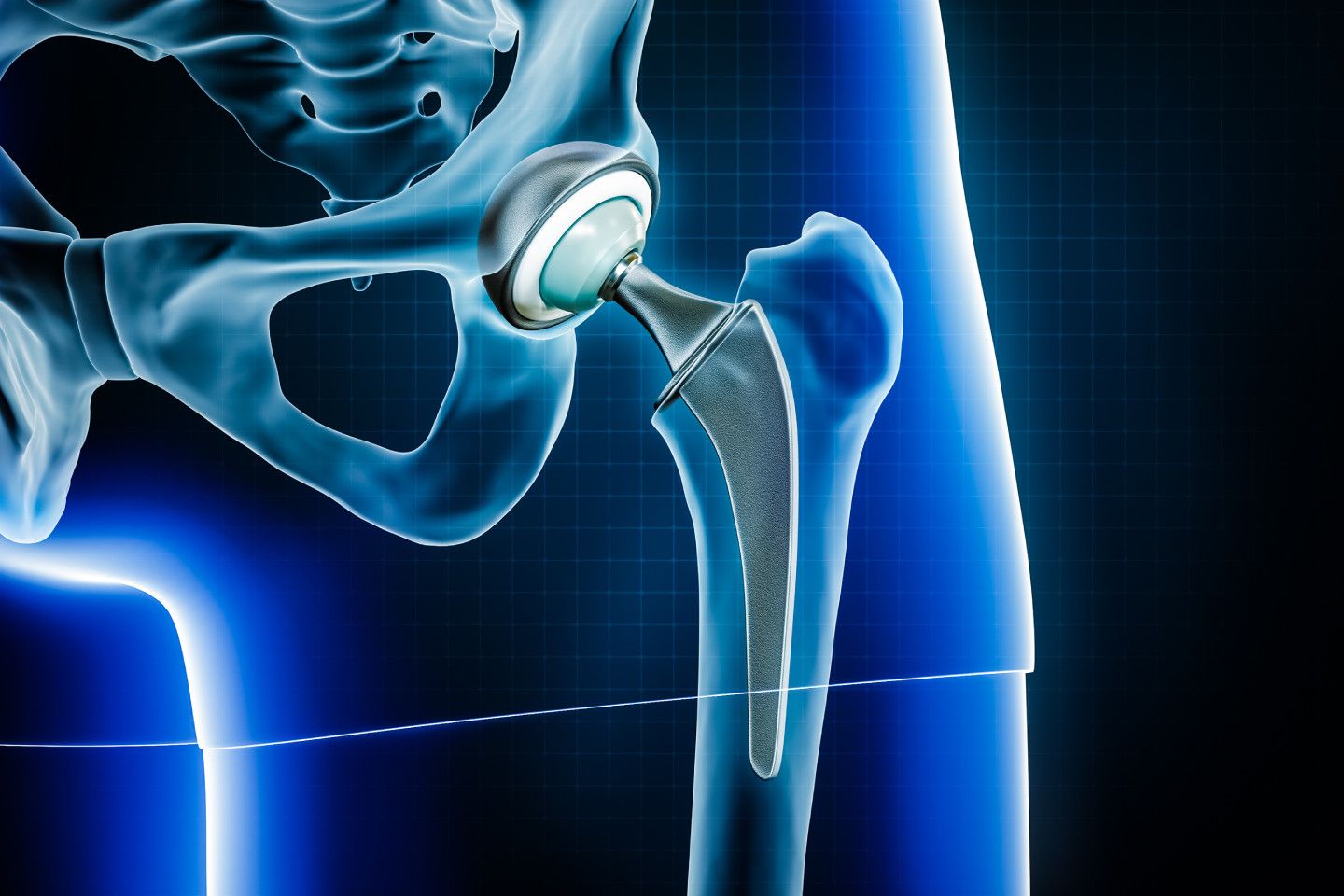
Conventional Hip Replacement, also known as Total Hip Replacement (THR), is a surgical procedure in which the damaged ball-and-socket components of the hip joint are removed and replaced with artificial prosthetic implants.
The damaged femoral head (ball) is replaced with a metal or ceramic ball attached to a stem, while the damaged socket is replaced with a durable artificial cup. This restores smooth joint movement and significantly reduces pain.
Who Needs Conventional Hip Replacement?
Conventional hip replacement may be recommended for patients experiencing:
- Severe hip pain affecting daily activities
- Difficulty walking, standing, or climbing stairs
- Hip stiffness and reduced range of motion
- Chronic pain that persists even at rest
- Advanced osteoarthritis of the hip
- Rheumatoid arthritis
- Hip joint degeneration
- Avascular necrosis (AVN)
- Failure of medications, injections, or physiotherapy
Conditions Treated with Conventional Hip Replacement
- Hip Osteoarthritis
The most common reason for hip replacement, caused by the gradual breakdown of cartilage within the hip joint. - Rheumatoid Arthritis
An autoimmune disease that causes inflammation and damage to the hip joint. - Avascular Necrosis (AVN)
A condition where reduced blood supply causes bone tissue in the hip to die, leading to joint collapse. - Post-Traumatic Arthritis
Arthritis that develops following fractures or injuries involving the hip joint. - Hip Dysplasia
Abnormal development of the hip joint that can lead to premature arthritis and chronic pain.
Benefits of Conventional Hip Replacement
- Significant pain relief
- Improved mobility
- Enhanced quality of life
- Better joint stability
- Long-lasting results
- High success rate
The Conventional Hip Replacement Procedure
Preoperative Evaluation
Before surgery, patients undergo a comprehensive assessment that may include medical history review, physical examination, X-rays and imaging studies, blood tests, and cardiac and anesthesia evaluation.
Surgical Procedure
- Anesthesia is administered.
- A surgical incision is made over the hip.
- The damaged femoral head is removed.
- The hip socket is prepared and fitted with an artificial cup.
- A prosthetic stem and ball are inserted into the thigh bone.
- Joint stability and alignment are carefully assessed.
- The incision is closed, and recovery begins.
The procedure generally takes 1 to 2 hours, depending on the complexity of the case.
Recovery After Conventional Hip Replacement
Immediate Recovery
- Patients are encouraged to begin gentle movement soon after surgery.
- Walking with assistance often starts within 24 to 48 hours.
- Pain management protocols help improve comfort.
Rehabilitation Phase
- Physiotherapy begins early to restore strength and flexibility.
- Walking aids may be used temporarily.
- Gradual return to daily activities is encouraged.
Long-Term Recovery
Most patients experience significant improvement within 6 to 12 weeks. Complete recovery and optimal function may continue to improve over several months.
Risks and Complications
Although conventional hip replacement is generally safe and effective, potential risks include:
- Infection
- Blood clots
- Bleeding
- Hip dislocation
- Implant loosening
- Nerve or blood vessel injury
- Leg length differences
- Rare need for revision surgery
Why Choose Conventional Hip Replacement?
Conventional hip replacement remains a trusted treatment option because it offers proven long-term success, reliable pain relief, excellent functional outcomes, durable implant technology, improved mobility and independence, and established surgical techniques with predictable results.
Millions of patients worldwide have benefited from conventional hip replacement surgery and returned to active, fulfilling lives.